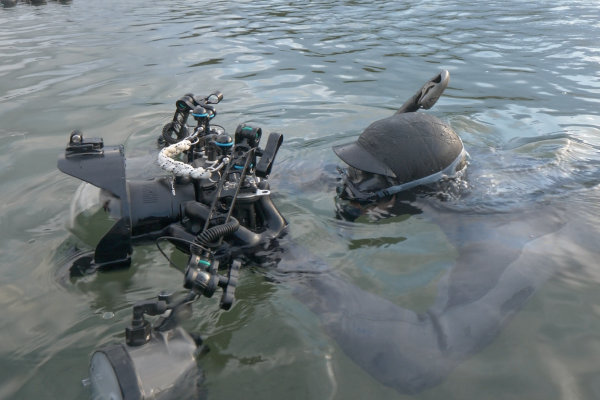
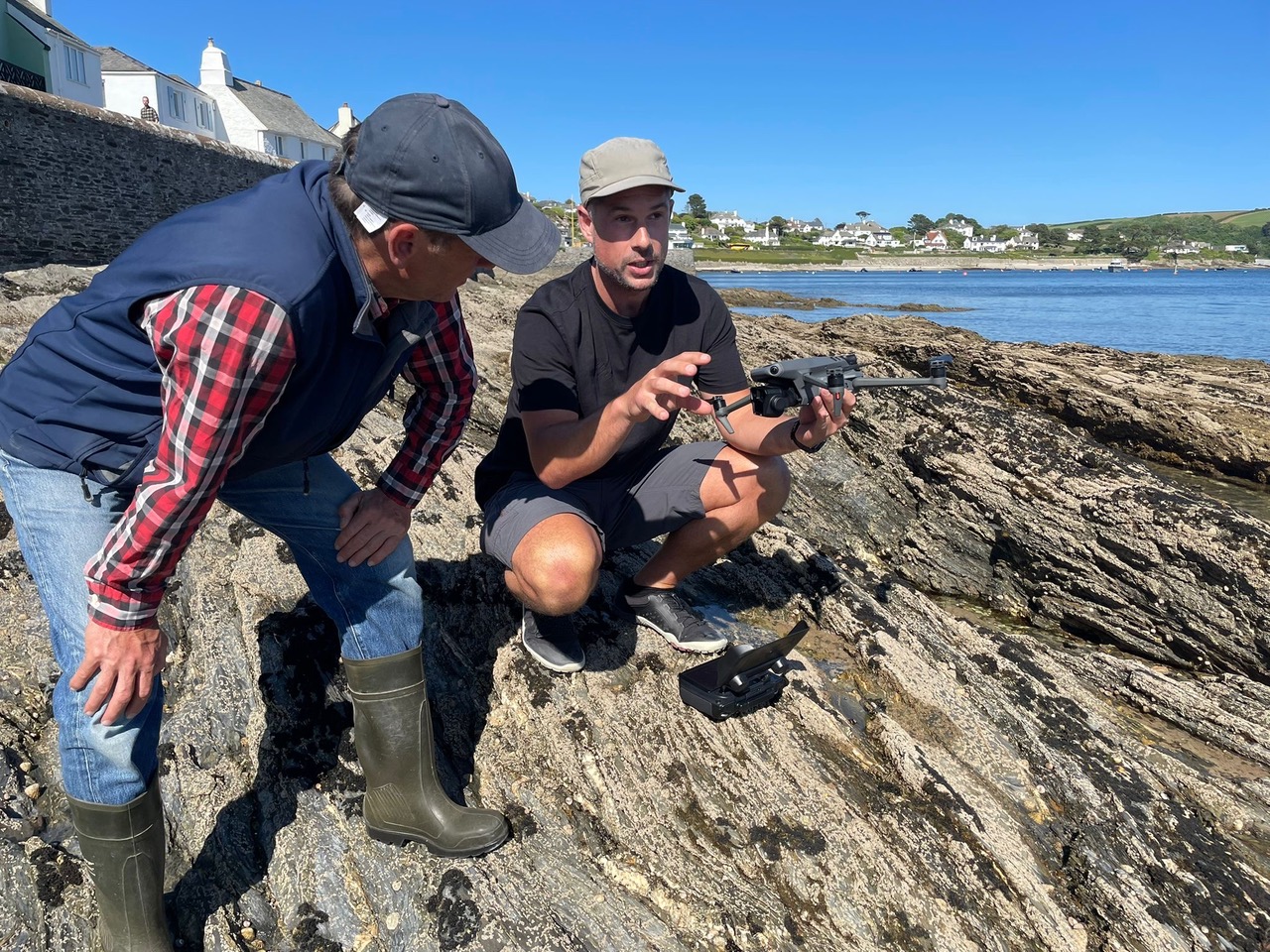
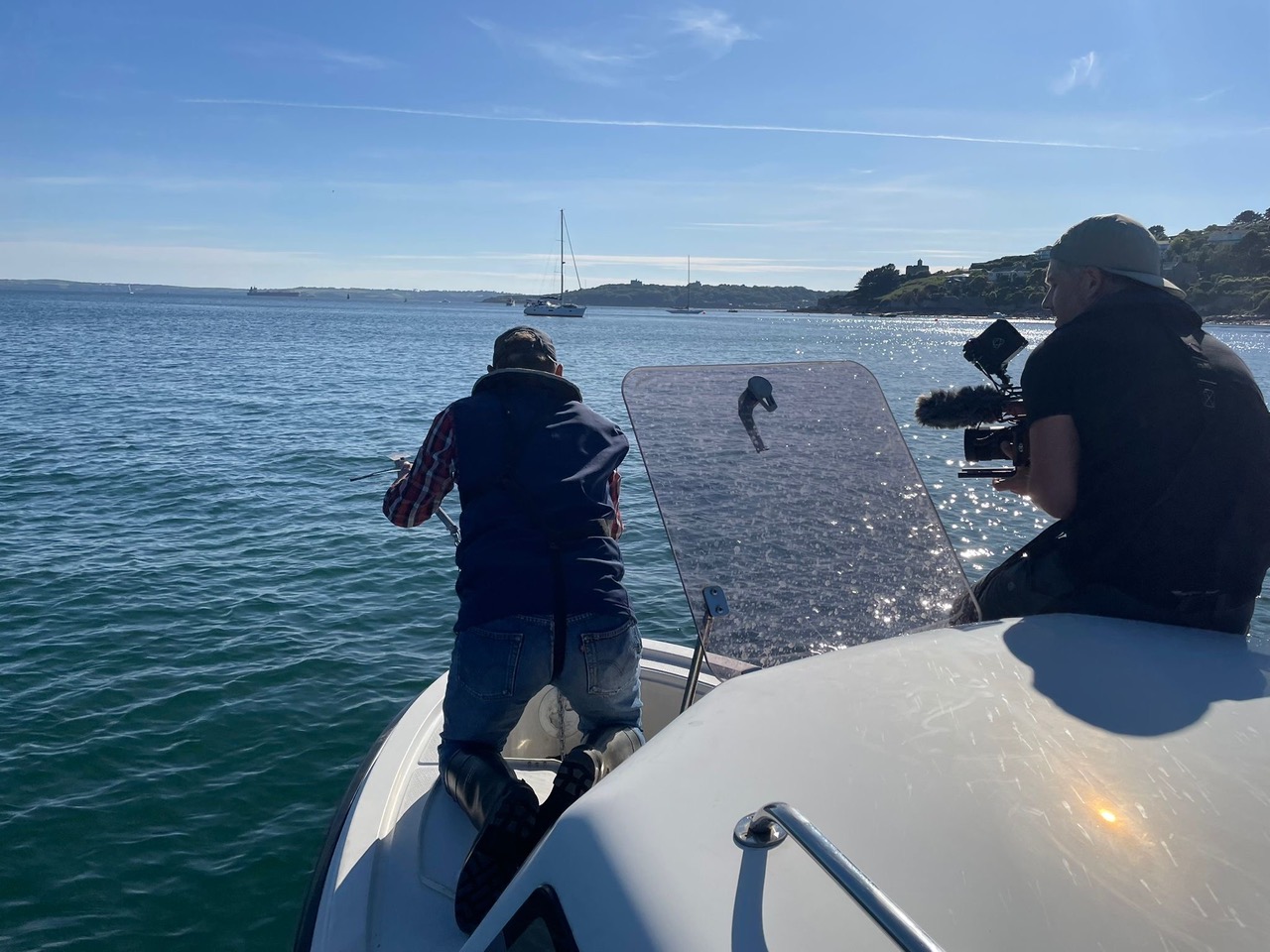
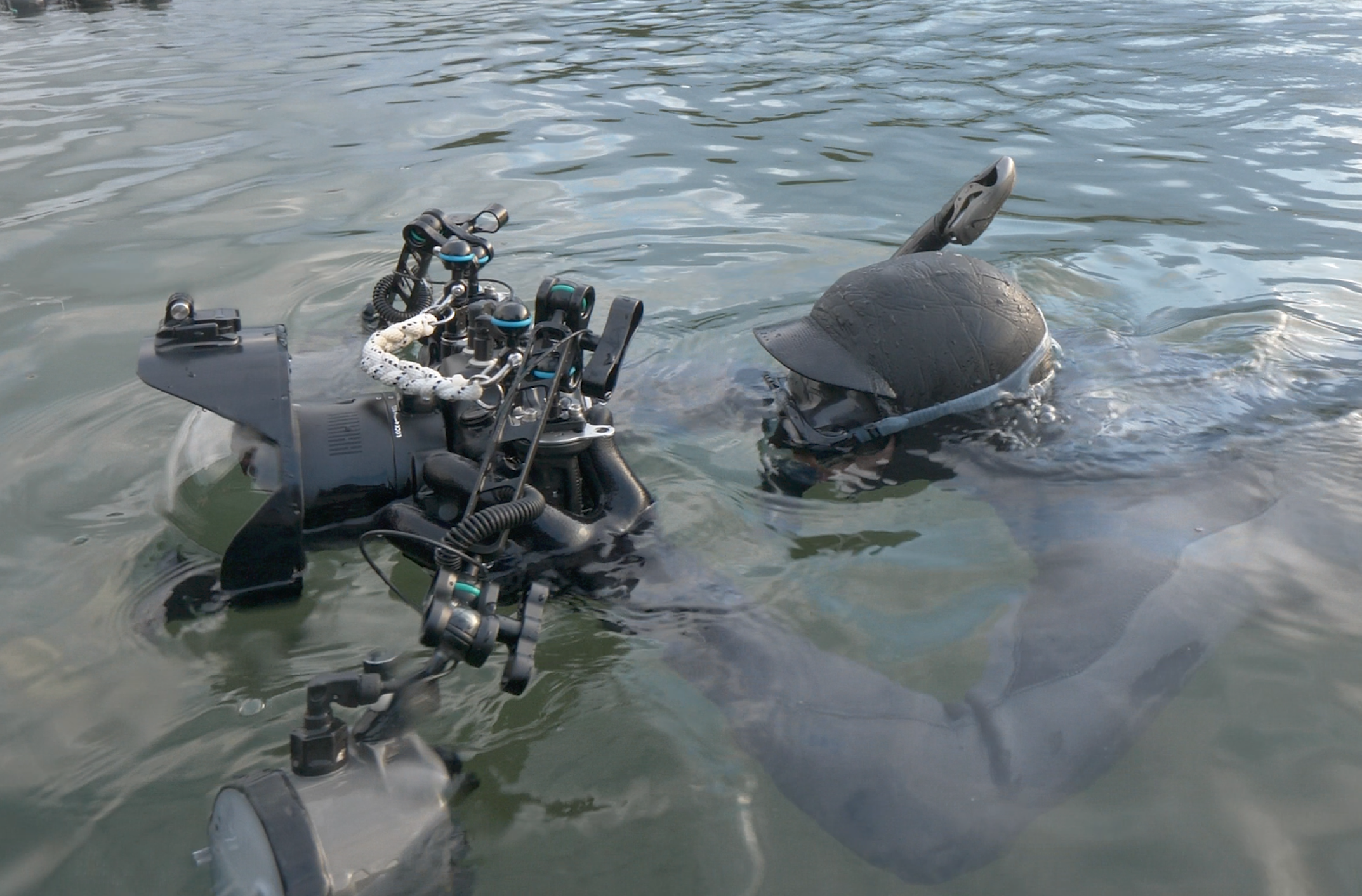
Conducted by Dr Miles Hoskin and his team, the survey involved divers taking over 13000 photo-quadrats of the seabed.
It was the first survey of such scale not just in the harbour but in the Fal area as a whole. It revealed that the extent of maerl and seagrass in St Mawes was much larger than previously thought. The survey also involved taking core samples from various places in the harbour – and it was found that while seagrass supports a wide range of marine species, maerl surpasses all other biotopes in its range of fauna.
The study helped to confirm the importance of the harbour’s habitats – in three ways. The seagrass and the maerl act as carbon stores. They are hotspots of marine biodiversity, providing vital nursery areas for commercial fish and shellfish. But perhaps their greatest value is in the opportunity they provide for raising awareness of marine ecosystems as a whole. St Mawes harbour is not a remote, hard-to-access stretch of coastline but a busy piece of water enjoyed by thousands of people every year. In its rare maerl and seagrass beds, and all life they support is the beauty and complexity of the marine world, a view of something that remains largely invisible.